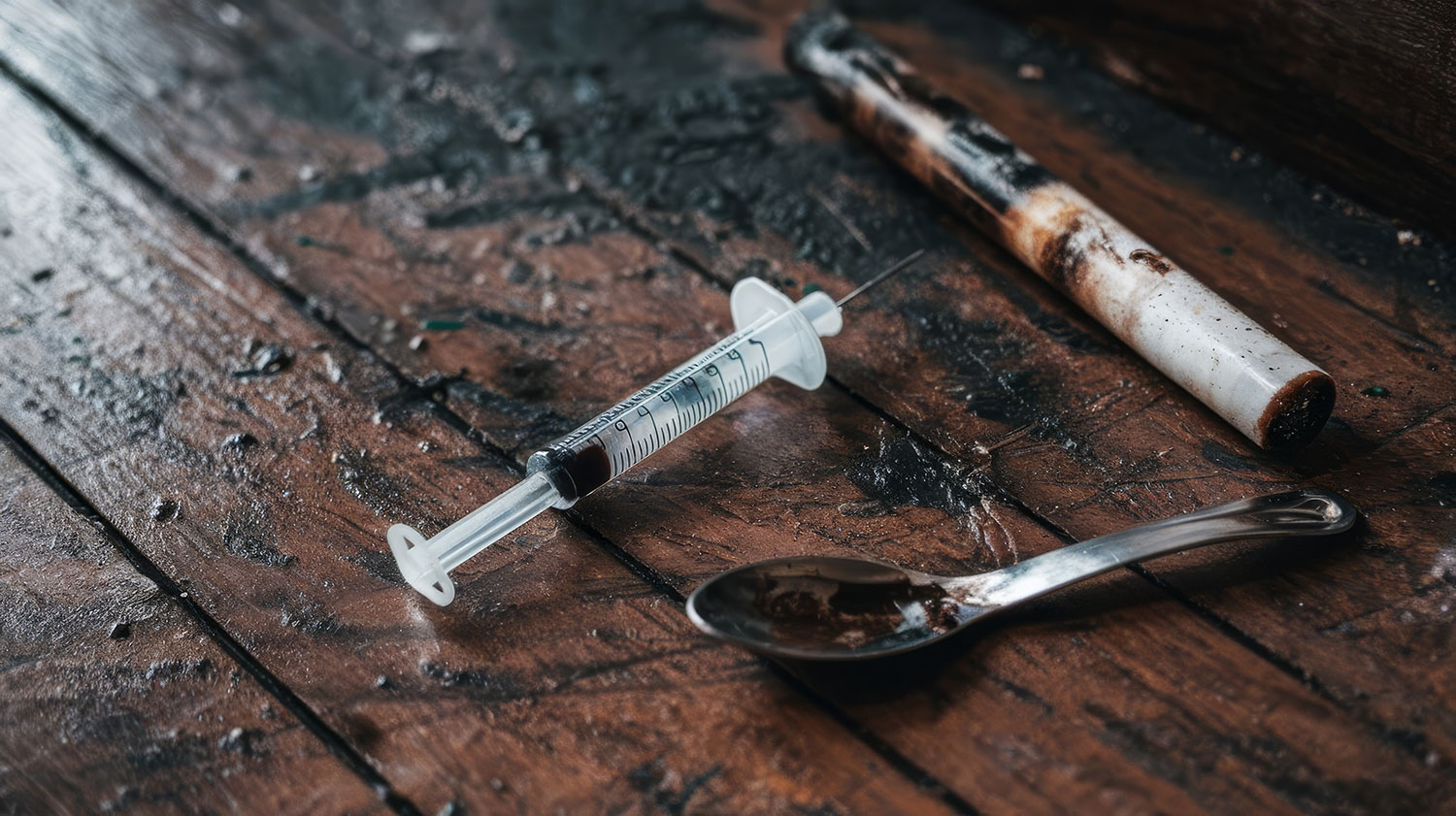
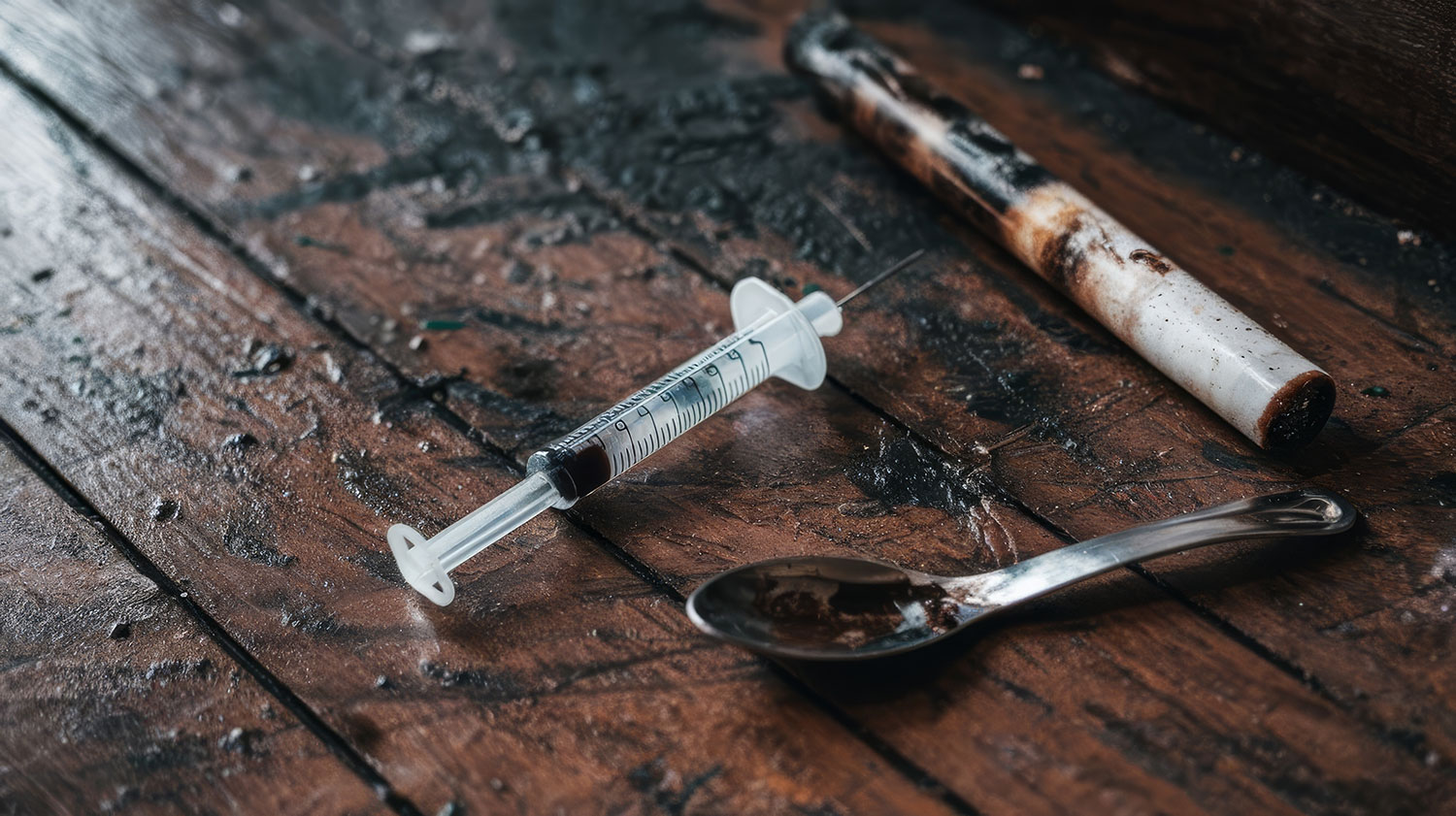
Heroin (diacetylmorphine or diamorphine) was first synthesized in 1874 as a product of Bayer A.G. It was initially introduced as a non-addictive form of morphine, and a “cure for coughs.” In retrospect, the non-addictive nature of heroin turned out to be wishful thinking; Bayer did, however, succeed in producing an excellent cure for coughs.
Regular use of heroin produces tolerance, whereby significantly increased doses are required to achieve the initial effects. Continued use invariably tends to lead to psychological habituation and physical dependence, a state where your body needs opioid drugs on a regular basis just to maintain normal functioning; missing a dose precipitates a cascade of opiate withdrawal symptoms which can be quite severe and extremely painful. You’ve “caught a habit,” and become addicted.
According to the Centers for Disease Control (CDC), heroin use in the United States has increased all over the nation, among both women and men, across most age groups, touching people at all income levels. In fact, some of the demographic groups with historically low rates of heroin use experienced some of the greatest increases in recent years: people with private insurance, women, and people with higher incomes.
Not only has the rate of heroin dependence increased, but so have the number of heroin-related overdose deaths. In fact, the number of heroin-related overdose deaths almost quadrupled between 2002 and 2013, and in 2013 more than 8,200 people died from using heroin. No wonder so many people are desperately seeking heroin addiction help.
CNN Chief Medical Correspondent Dr. Sanjay Gupta reports that the typical person in need of heroin treatment today is in their 20s, living in the suburbs, and probably first used heroin after becoming addicted to opiates via prescription. Both heroin and many prescription opiates originate in the poppy, whereas synthetic opioids like fentanyl are designed to bind with the same receptors in the body that heroin seeks out naturally.
Heroin and other opiates all trigger the same symptoms: feelings of euphoria, increased pain tolerance, drowsiness, occasional nausea, and even slowed breathing. Continued use of opiates and opioids also causes “tolerance,” wherein those battling heroin dependence, will need more and more heroin just to achieve the same initial effects. Tolerance is the same mechanism that causes cravings and heroin withdrawal symptoms—which are among the most severe of any drug.
Without medical intervention, acute heroin withdrawal starts 6 to 12 hours after the last dose, peaking 1 to 3 days later, with most acute physical symptoms subsiding within one to three weeks. However, residual withdrawal symptoms, although less serious after the initial acute stage, can persist for months, or even years. This is why ibogaine is so miraculous for so many seeking heroin addiction help.
Most heroin-dependent individuals have tried to quit and kick their habit numerous times, and eventually failed. If you are able to make it through the initial withdrawal symptoms on your own, you wind up facing an extended period of time where you feel relatively awful. Eventually, most people relapse, and go back to using opiates. The long-term “success” rate for former heroin addicts maintaining sobriety, is extremely low. Traditional treatment for opiate addiction tends to turn into an endless succession of detoxes and rehabs, which do nothing except provide a brief intermission from active heroin use. Very few people ever manage to quit, once they become physically dependent.
Ibogaine detox provides an extremely gentle and effective opiate detox from heroin. Heroin is an extremely “clean” opiate; it’s a pure agonist with a very short half-life. Ibogaine will successfully eliminate the number one hurdle that drug-dependent individuals face when attempting to move away from heroin addiction: painful and long-lasting withdrawal symptoms.